Asbestos in 1960s and 1970s Council Houses
If you live in a 1960s or 1970s council home, there's a significant chance asbestos is existing in ceiling panels, wall surface linings, pipeline lagging, and flooring tiles— because of its previous affordability, fire resistance, and insulating homes. Laws now need licensed surveyors for screening and elimination, as disturbing products can launch harmful fibers. Councils have lawful duties to inform, evaluate, and handle asbestos risks. Comprehending typical asbestos places and lawful safeguards can much better educate your next actions.
Takeaways
- Asbestos was extensively used in 1960s and 1970s council houses for price, insulation, and fire resistance.
- Usual places include ceiling and wall surface panels, distinctive coatings, pipeline lagging, flooring ceramic tiles, and roof covering.
- Disturbing asbestos-containing materials can release unsafe fibers, raising health threats like asbestosis, lung cancer, and mesothelioma cancer.
 * Visual identification is unstable; just licensed professionals ought to check, test, and get rid of thought asbestos.
 - UK law needs councils to evaluate, manage, and inform renters about asbestos risks in older residential or commercial properties.
Why Was Asbestos Made Use Of in Council Houses?
Although the wellness threats weren't commonly recognized at the time, asbestos was thoroughly utilized in council homes throughout the 1960s and 1970s as a result of its cost, fire resistance, and insulating buildings. You would certainly discover that product deficiency complying with post-war reconstruction drove this choice, with neighborhood authorities looking for economical options for mass real estate. Asbestos fond memories occasionally surfaces, reviewing the age's dependence on cutting-edge products without full understanding of the future ramifications. Regulatory standards of the period really did not limit asbestos use, permitting widespread integration into roof, wall surface panels, pipe insulation, and flooring ceramic tiles. If you check out council residence building and construction documents from that era, you'll observe asbestos included as a typical requirements due to its flexibility and ease of installment, fulfilling the urgent need for sturdy, cost-effective structure materials.
Exactly How Did Asbestos End Up Being a Hidden Threat In Time? asbestos removal company
You'll observe that asbestos was extensively incorporated into council house building, making it widespread throughout building products. As these products age, they can weaken and release harmful fibers right into the living atmosphere. Due to the fact that asbestos-related ailments often have a long latency duration, you might not recognize the risks until considerable health impacts have currently created.
Extensive Use In Construction
Over the training course of the 1960s and 1970s, asbestos silently worked its way right into almost every element of council home building, many thanks to its fireproof buildings and cost-effectiveness. You'll see that asbestos prevalence in council real estate stemmed from its assimilation into a vast variety of building products. It was commonly blended right into cement, made use of in insulation, floor tiles, distinctive coatings, roofing, and wall panels. Regulatory requirements at the time did not limit making use of asbestos, allowing prevalent fostering without thorough danger assessment. This strategy prioritized prompt safety and affordability, ignoring lasting health and wellness implications. When you analyze building codes and procurement techniques from that era, you'll see that asbestos was not only accepted yet recommended, installing it deeply right into the framework of council real estate stock.
Wear And Tear And Fiber Release
Asbestos-containing materials, once viewed as reputable and long lasting, progressively became a considerable health threat as they aged within council houses. In time, material aging caused the breakdown of products such as insulation boards, ceiling floor tiles, and pipeline lagging. As these products degraded, mechanical disturbances— such as drilling, sanding, or perhaps minor resonances— could create tiny fibers to end up being air-borne via bit dispersion. You could not see any kind of immediate adjustments, however these fibers are conveniently inhaled and remain put on hold in the air for long term durations. Governing standards currently stress the relevance of checking the condition of asbestos-containing products in maturing residential properties. Appropriate assessment and management are required to decrease fiber release, guaranteeing that you and others aren't unintentionally subjected to unsafe air-borne bits during regular tenancy or maintenance tasks.
Postponed Health Influence
Although the risks associated with asbestos exposure weren't immediately apparent, its most severe health impacts often surfaced years after preliminary call. When you stayed in council residences constructed in the 1960s and 1970s, you could not have actually recognized that asbestos was present. The postponed wellness effect results from latency mechanisms, where asbestos fibers remain dormant in the lungs or various other cells for many years. This generational latency implies health end results, such as asbestosis or mesothelioma, usually appear long after exposure, making complex discovery and regulative action.
Latency Duration
Common Conditions
Governing Worry
10— two decades
Asbestosis
Early discovery is challenging
20— 30 years
Lung cancer cells
Long-lasting monitoring called for
30— 40 years
Mesothelioma
Cases might be postponed
Differs
Pleural plaques
Underreported in early years
Ongoing
Other cancers
Ongoing regulative alertness
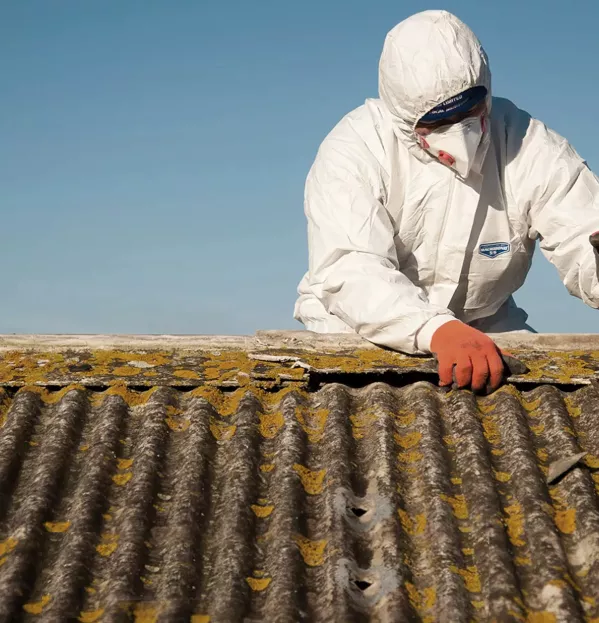
Where Is Asbestos Most Commonly Found in 1960s Council Residences?
You'll locate that asbestos was frequently integrated right into ceiling and wall surface panels, pipe and boiler insulation, along with floor tiles and their adhesives in 1960s council homes. These products were chosen for their fireproof and insulating residential or commercial properties, now present governing obstacles as a result of linked health and wellness threats. It is necessary to recognize these common places to guarantee risk-free monitoring and compliance with present safety standards.
Ceiling and Wall Surface Panels
While regulations today strictly limitation asbestos usage, in 1960s council homes, asbestos was commonly incorporated right into ceiling and wall panels because of its fireproof and insulating residential properties. You'll often locate asbestos-containing products in acoustic panels and ornamental cladding, both commonly set up to enhance audio absorption and appearances. These panels commonly consist of asbestos concrete or shielding board, which can release harmful fibres if disrupted during upkeep or improvement. Existing regulative requirements require that you determine and assess these products before embarking on any job, as improper handling can pose significant wellness threats. If you suspect the visibility of asbestos in ceiling or wall surface panels, you're needed to consult accredited experts for evaluation and feasible removal, complying with rigorous control procedures described by health and wellness guidelines.
Pipeline and Central Heating Boiler Insulation
Identifying asbestos in pipe and boiler insulation is vital when examining 1960s council homes, as these products were amongst the most regular resources of asbestos direct exposure. You'll typically discover asbestos-containing pipe lagging twisted around warm water and home heating pipes to improve thermal efficiency and protect against warm loss. In a similar way, boiler jackets-– protecting treatments fitted to central heating boilers— generally integrated asbestos fibers for their fireproof properties. Breathing in disrupted asbestos fibers from wearing away insulation positions considerable wellness threats, consisting of asbestosis and mesothelioma cancer.
Regulations currently require you to assess the visibility and condition of pipeline lagging and central heating boiler jackets before any upkeep or repair. asbestos garage roof removal If asbestos is thought, only accredited professionals ought to perform sampling and removal, adhering to Control of Asbestos Regulations 2012. Always maintain exact documents of any kind of asbestos identified or remediated.
Flooring Tiles and Adhesives
Pay very close attention to flooring ceramic tiles and their adhesives when surveying 1960s council homes, as these materials often have asbestos. You'll often experience asbestos in older plastic floor tiles, specifically in the 9-inch by 9-inch layout, which were prominent during this age. Vinyl adhesives used to secure these floor tiles generally integrated asbestos fibers to include resilience and fire resistance. Furthermore, padding support underneath some sheet flooring may contain asbestos, particularly in items manufactured before stricter guidelines were presented.
When evaluating flooring, it's important to recognize suspicious materials and record their areas for compliance with health and wellness regulations. Never ever interrupt or remove believed asbestos-containing flooring tiles or adhesives on your own; always involve licensed asbestos specialists for sampling, danger evaluation, and remediation to ensure lawful and safe monitoring.
What Are the Health And Wellness Risks of Asbestos Exposure?
Recognition of asbestos's threats is vital, as direct exposure to its fibers can lead to extreme and usually irreversible health and wellness problems. When you breathe in asbestos fibers, they may become lodged in your lung cells, increasing your risk for illness such as asbestosis, lung cancer, and mesothelioma cancer. These problems regularly show up decades after preliminary direct exposure, complicating medical diagnosis and regulative action.
Regulatory companies utilize direct exposure biomarkers to analyze your risk and establish responsibility in asbestos lawsuits, highlighting the value of very early detection and paperwork. Even marginal or short-term direct exposure can be unsafe, especially if materials are disturbed throughout renovations or repairs. It's essential to follow control laws, as unregulated exposure can cause substantial lawful and health and wellness repercussions. Comprehending these dangers helps you make educated decisions about your setting.
Just How Can You Inform If Your Council Home Consists Of Asbestos?
So, just how do you figure out whether your council house consists of asbestos? Initially, evaluate any offered documentation or owner surveys given by the housing authority. These might suggest if asbestos-containing materials (ACMs) were made use of during original building or subsequent improvements. Next, examine aesthetic hints: asbestos was typically used in distinctive ceilings (Artex), flooring tiles, pipeline insulation, soffits, and concrete panels in residences developed during the 1960s and 1970s. Seek warning tags or documentation left by previous evaluations. Nonetheless, asbestos isn't constantly visually identifiable, as it can resemble normal building materials. Regulations discourage troubling suspected ACMs. find out more If unsure, do not attempt removal or sampling yourself. Adhering to current governing assistance, residents must stay clear of contact and escalate issues to the suitable real estate authority.
How Do You Obtain a Council Residence Tested for Asbestos?
Prior to initiating any type of screening treatments, it's essential to recognize that asbestos surveys in council residences have to abide with strict regulative requirements. To arrange asbestos testing, you'll require to contact your regional council, as council procedures typically call for using certified asbestos land surveyors. These professionals are qualified to carry out complete evaluations, which might entail air monitoring and dirt tasting to analyze the level of asbestos existence and prospective airborne fibres. The screening process typically consists of an aesthetic evaluation, product tasting, and laboratory evaluation to verify asbestos content. Councils are obliged to follow the Control of Asbestos Laws 2012, guaranteeing that all screening is performed securely and extensively. You must never ever try to accumulate samples yourself; constantly rely upon licensed professionals to assure compliance and security.
What Should You Do If You Suspect Asbestos in your house?
If you recognize materials in your home that can consist of asbestos— such as distinctive layers, floor tiles, insulation boards, or pipeline lagging— instantly discontinue any type of job that might disrupt them and limit access to the affected area. Do not attempt to eliminate or modify these products on your own, as troubling asbestos can launch dangerous fibers. Rather, organize for expert home screening by a UKAS-accredited asbestos surveyor to verify the presence and condition of asbestos-containing materials. Preserve a record of any searchings for and all interactions with service providers or authorities. If uncertainty or disputes develop relating to obligation or essential activities, seek lawful recommendations immediately. Following these treatments straightens with regulatory advice and reduces health and wellness dangers, making certain any type of succeeding removal or monitoring is undertaken in a compliant and secure way.
What Are Your Lawful Obligations Around Asbestos in Council Features?
You're called for to identify asbestos-containing products within council residential or commercial properties and keep exact records. As a proprietor, you should adhere to policies concerning the management and remediation of asbestos threats. You'll also require to make sure occupants are appropriately notified regarding any type of known asbestos and linked safety and security measures.
Determining Asbestos-Containing Materials
While handling council residential properties integrated in the 1960s and 1970s, it's important to identify that you have details lawful duties concerning asbestos-containing products (ACMs). Identifying ACMs is the primary step in maintaining regulative conformity. You should perform asbestos mapping to record the place and condition of presumed materials throughout the building. Product tasting by qualified specialists is essential to validate the visibility of asbestos fibers, especially in areas generally utilized throughout building in that era. Visual examinations alone aren't sufficient; laboratory analysis is commonly required to determine threat levels and educate your administration method.
- Suspicious ceiling floor tiles, pipeline insulation, and distinctive finishes that might contain asbestos
- Detailed asbestos mapping prepares highlighting all presumed ACM areas
- Material sampling treatments, including lab confirmation for positive recognition
Legal Obligations for Landlords
Once asbestos-containing products have been recognized within council properties, legal commitments under UK regulation entered into impact. As a property manager, you're responsible for assuring conformity with the Control of Asbestos Rules 2012. This consists of performing an asbestos risk evaluation, implementing a monitoring strategy, and scheduling secure removal or encapsulation where required. Property manager obligation prolongs to keeping these products in a risk-free condition and avoiding lessee direct exposure. You must keep precise documents of asbestos areas and condition, upgrading them regularly. Lessee interaction is likewise critical— while you're not required to offer extensive information at this stage, you must ensure occupants are not jeopardize and are mindful of any kind of activities influencing their security. Falling short to meet these duties can cause legal and punitive damages.
Lessee Alert Needs
Although the legislation does not call for proprietors to reveal every details detail about asbestos in council buildings, you're legitimately obliged to inform renters of any asbestos-related threats that can impact their health and wellness and safety and security. Clear occupant communication is vital, particularly when asbestos exists or presumed. You should give prompt notification if asbestos-containing products are located, disturbed, or scheduled for removal. Alert timelines must straighten with statutory needs, make sure lessees have adequate time to respond or take precautions.
- Notify occupants in composing when asbestos is recognized, including the place and condition.
- Offer clear directions concerning safety precautions during maintenance or improvement job.
- Follow notice timelines stated by regional policies or council plans.
Fulfilling these demands helps secure lessee well-being and make certain regulatory conformity.
Just How Much Does Asbestos Elimination Cost for Council Houses?
Lots of council houses integrated in the 1960s and 1970s include asbestos products that require professional elimination, and expenses can differ considerably relying on the range and intricacy of the job. When preparing asbestos budgeting, you'll need to consider the size of your residential property, the kind of asbestos present, and accessibility. Elimination timelines can likewise affect total expenses, as urgent tasks or intricate removals may increase expenses. Typically, removal in council houses ranges from ₤ 1,000 to ₤ 2,500, yet extensive contamination can press prices much higher.
Price Element
Psychological Effect
High Removal Expenses
Financial Stress and anxiety
Long Elimination Timelines
Prolonged Interruption
Substantial Contamination
Health Worries
Constantly make use of qualified specialists to secure regulatory compliance and safety.
What Federal Government Assistance Is Readily Available for Citizens Encountering Asbestos Issues?
If you're a resident managing asbestos in your council residence, it's vital to comprehend the federal government support mechanisms developed to secure your health and wellness and lawful rights. The federal government, through local authorities, provides organized local support and regulative oversight to make specific asbestos risks are taken care of properly. You have access to sources that include lawful advice, inspection services, and, in eligible instances, financial assistance for elimination or moving. Legal responsibilities need councils to analyze and deal with asbestos dangers, ensuring compliance with health and wellness policies. If you're at danger, you have the right to demand information and treatment.
- Neighborhood assistance teams coordinate risk evaluations and use useful assistance.
- Financial assistance systems may cover elimination costs for susceptible locals.
- Regulative bodies check council compliance with asbestos administration obligations.
How Can You Stay Safe During Renovations in a Council House?
Throughout any type of restoration in a council house, it's vital to adhere to strict security protocols to reduce asbestos exposure threats. To begin, you should always assume asbestos exists if the residential or commercial property days from the 1960s or 1970s. Involve accredited asbestos specialists for evaluation and elimination, as UK regulations ban unqualified handling. Usage appropriate safety equipment, consisting of respirators and non reusable coveralls, if you have to get in locations where asbestos disturbance is possible. Job scheduling ought to be coordinated to assure no unapproved employees exist throughout dangerous activities, lowering additional contamination threats. Seal work locations with plastic sheet and preserve unfavorable air pressure to include fibres. Dispose of waste according to neighborhood authority guidelines. Always prioritize governing conformity to secure wellness during remodellings.
Often Asked Inquiries
Can Animals Be Impacted by Asbestos in Council Houses?

Yes, your pet dogs can be impacted by asbestos direct exposure in council houses. Animal exposure to airborne asbestos fibers postures substantial risks to pet health and wellness, consisting of breathing issues and potential growth of asbestos-related diseases. It is crucial to comply with regulatory guidance for asbestos management, making certain that your living setting is risk-free for all owners, including pets. If you believe asbestos existence, consult specialists to analyze and minimize threats, safeguarding both human and animal health and wellness in your home.
Exist Any Kind Of Very Early Signs And Symptoms of Asbestos Exposure in Children?
Picture you notice your child coughing more than usual, their breath seeming scratchy in silent areas. Early symptoms of asbestos direct exposure in children can consist of consistent coughing and shortness of breath. Gradually, you may observe developing delays, such as slower development or minimized physical activity. Due to the fact that signs and symptoms are commonly refined and nonspecific, it's vital you monitor for these indicators and consult health and wellness experts if you suspect your kid's environment might provide asbestos threats.
Do Home Insurance Policy Plans Cover Asbestos-Related Problems?
Most home insurance plan do not include insurance policy coverage for asbestos-related issues, as asbestos is normally identified as a pre-existing or pollution risk. If you uncover asbestos, removal prices and associated fixings are generally excluded. Plans may likewise deny lawful insurance claims associated with asbestos exposure unless a certain motorcyclist is in area. You need to consult your plan records and regional regulatory demands to establish if any kind of exemptions or recommendations for asbestos protection are offered.
For How Long Does Asbestos Remain Dangerous if Left Undisturbed?
Asbestos stays a unexposed hazard for the long-term, essentially lingering indefinitely if left undisturbed. You shouldn't presume time lowers its threat; regulatory assistance states asbestos fibers don't deteriorate or lose strength with age. As long as products having asbestos aren't harmed or disrupted, the hazard continues to be had, yet the potential for exposure persists. As a result, you must adhere to lawful requirements for monitoring, monitoring, and, if essential, expert remediation to guarantee continuous safety.
Is It Safe to Pierce Into Walls Suspected of Containing Asbestos?
No, it's not risk-free to pierce right into wall surfaces thought of including asbestos. Making use of power devices can launch harmful fibers, enhancing your health threat. Regulatory advice strongly discourages troubling prospective asbestos materials without appropriate analysis. Instead, you ought to utilize wall screening techniques, such as professional tasting and lab evaluation, to confirm asbestos existence. Only qualified asbestos experts ought to accomplish any work including disruption, following rigorous safety and security protocols to guarantee compliance and decrease direct exposure.